
by Me | Oct 20, 2018 | Food & Diet, Post-Surgery
1 month know since my surgery and I am still feeling awesome !!!

I have still lost 9Kg since surgery a month ago (I actually put on some weight a couple of days this week – which is apparently not unusual) and am still feeling great…
I saw the dietician again yesterday – and had my 1st post-surgery checkup with the surgeon…
I have a new food plan for the next 2 weeks (week 5 & 6), which I will post about separately… and I need to drink more water (I’ve been a bit slack on hydration). but I am mostly (apart from the odd sausage roll and pizza) on track food-wise.
My liver biopsy (taken during surgery) has come back positive for Cirrhosis – which is a shame, but not unexpected. I will create a separate post/page about Liver Cirrhosis and it’s implications… but I am VERY glad that the surgeon decided to proceed with the Gastric Bypass – as this is the best “treatment” for my liver issues.
I am still medication free for Diabetes (and have been for a month), and my blood sugar is behaving very nicely 🙂
by Me | Oct 13, 2018 | Fatty Liver, Weight Loss Surgery Research
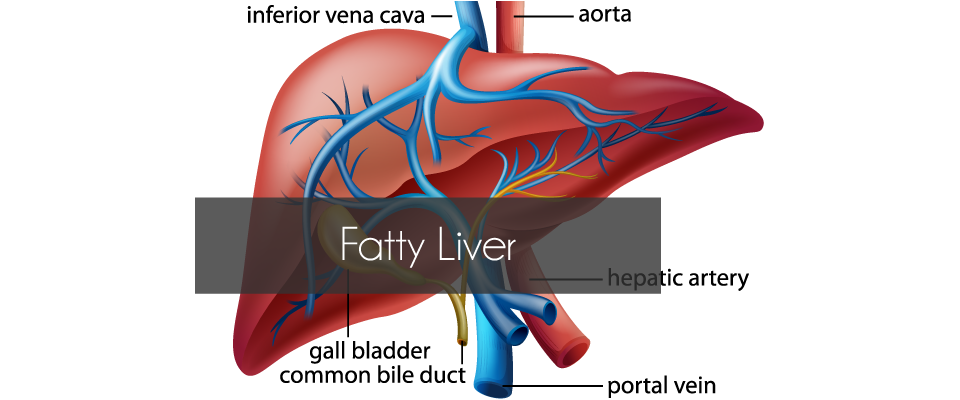
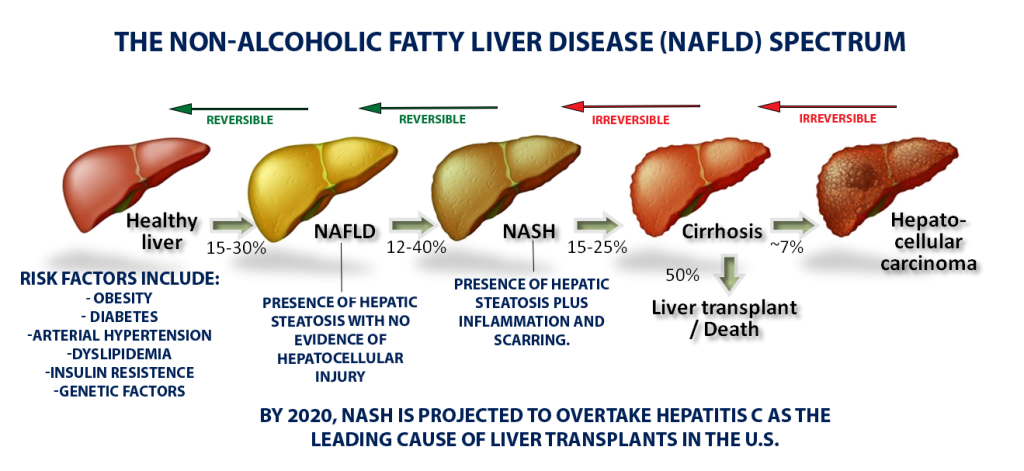
For most of us, the acronym NASH won’t ring many bells. But NASH, or NonAlcoholic SteatoHepatitis, marked by the accumulation of an unhealthy amount of fat and scar tissue in the liver, is quietly reaching epidemic proportions across the globe. By 2020, NASH is projected to overtake hepatitis C as the leading cause of liver transplants, largely because of an alarming rise in obesity and type-2 diabetes – both key risk factors for NASH.
Despite NASH’s prevalence, its obscurity isn’t all that surprising as it doesn’t cause obvious symptoms in most people, there’s no simple test to detect it, and no drugs have been approved to treat it.
Unlike high blood pressure or diabetes, which doctors can detect with cheap and easy tests during a routine check-up, NASH is difficult to diagnose. Most people with scarring on their liver don’t display symptoms, and right now there’s no straightforward biomarker that a routine blood panel would pick up. The only reliable measure of fibrosis is a liver biopsy. Also, the disease progresses slowly—over years or even decades—and researchers have yet to figure out when someone with a fatty liver is at risk for developing the inflammation and fibrosis that define NASH.
The subtle, slow-moving process begins with the build-up of fat in the liver, a condition called nonalcoholic fatty liver disease, or NAFLD, because it is not driven by alcohol consumption. For many people, a fatty liver will never become a real problem – If you have isolated fat, you may live and die with your fatty liver and never know it. But a portion of the population will go on to develop NASH’s telltale inflammation and scarring.
Anywhere from 5% to 20% of people with NASH will go on to develop cirrhosis, where scarring has stiffened the liver so much that it can no longer function properly. From there, the outcomes can be grim: liver failure, liver transplant, or liver cancer.
Right now, doctors can only recommend lifestyle changes—better diet, more exercise, less alcohol—to stop or reverse damage to the liver, which has an amazing ability to regenerate healthy cells. However, studies have shown time and again that people are unable to stick to a healthier regime, which is one reason why Bariatric Surgery (which in many ways “enforces” lifestyle changes) is considered a a viable treatment option.
by Me | Oct 12, 2018 | Food & Diet, Post-Surgery
3 weeks know since my surgery and I am still feeling GREAT !!!
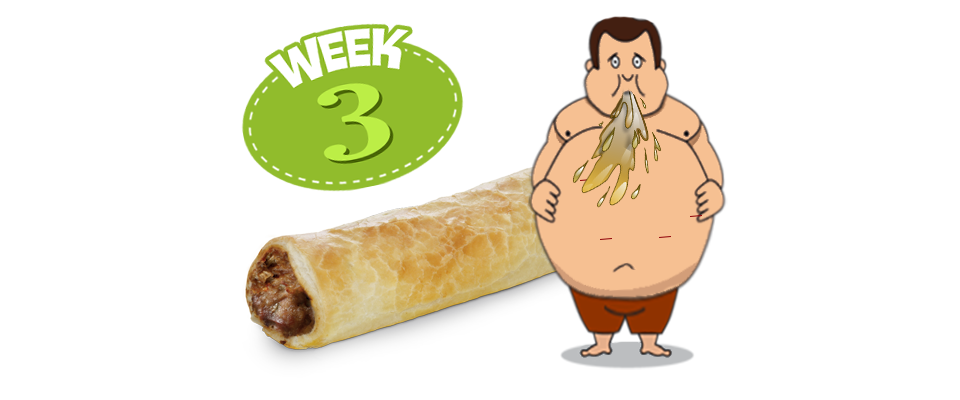
I have now lost 9Kg since surgery and am still feeling great… and continue to lose weight – but today… for the first time (probably of many) I Threw Up !!!
I was warned to expect this.. getting used to quantities and types of food I can eat is a normal part of the process… but it still came as a little bit of a surprise… I admit I am pushing the envelope a little on my diet, and today I thought I could manage a sausage roll – as long as I chewed it up well.
 I did manage three quarters of it before I started to feel full and a little uncomfortable (which is not unusual), so I stopped. However, this time, after about 5 minutes I suddenly (without any warning) felt the need to throw up.
It wasn’t much … just a couple of mouthfulls… but interestingly (to me anyway), it wasn’t the sausage roll that I threw up, it was a clear slimy “liquid”…. no sausage roll (chewed or otherwise) in sight.
OK… I know I should still really be on “mush” (I have another week officially) but in the last few days I have been eating a few “other” things (some chips, some BBQ shapes), but consciously chewing them very well before swallowing.
I know once I start “eating real food”, that throwing up is a normal part of the process in coming to terms with the types and quantities of food that I can eat… and I have been told that the “types” of food can be a more significant factor that the quantity. In this case, I didn’t eat very much, but I am guessing my new stomach is not used to high carb/fatty foods.
I promise to eat better (at least until my next appointment next week with the dietician/surgeon) 🙂
 p.s. although I was tempted… I didn’t go back later and finish off he sausage roll 🙂
by Me | Oct 7, 2018 | Diabetes, Food & Diet, Weight Loss Surgery Research
One of the main reasons I went ahead with Weight Loss Surgery was to manage/control my Diabetes II. After several years of trying diet and exercise, the medications I needed to keep my blood sugar under control were increasing. I am now very happy to say that since my surgery (just over 2 weeks ago), I have stopped all diabetes medication and my blood sugar remains completely normal.
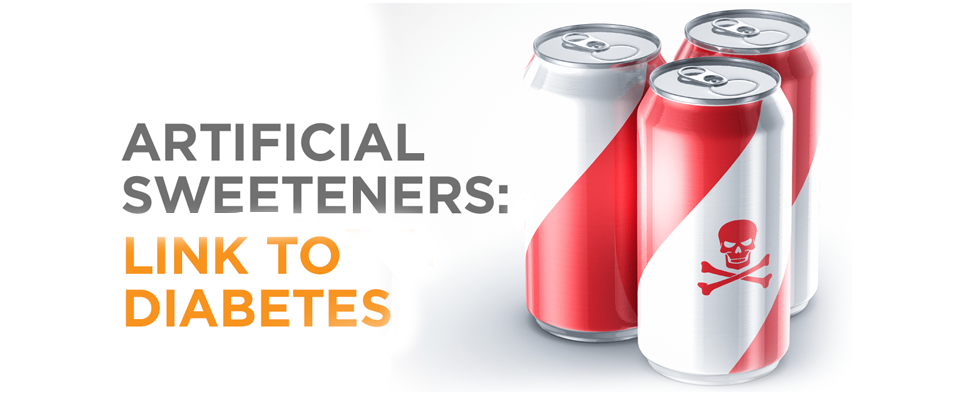
I didn’t believe I was able to manage my Diabetes by diet alone… but recent research suggest that diet drinks and artificial sweeteners (which I used to have regularly) has a link to increased risk for Diabetes II.
 I am satisfied that there was no direct link with my Blood Sugar readings and consumption of diet soda (I used to have 2 and up to 6 cans of Pepsi Max a day)… These drinks are “sugar free” and I could see that my blood sugar was unaffected 1-3 hrs after consumption (whereas I could see spikes in blood sugar after eating carbs/sugary food)… However research by the Adelaide Medical School has found that high intake of low-calorie sweeteners (like those found in diet drinks) over just two weeks was enough to significantly alter the make-up of bacteria in the gut… which in turn effects the way the body absorbs and regulates blood sugar – increasing the risk of developing diabetes over time.
The researchers recruited 27 healthy subjects who were given a quantity of two different non-caloric artificial sweeteners (sucralose and acesulfame-K) equivalent to drinking 1.5L of diet beverage per day, or an inactive placebo.
The study determined that just 2 weeks of NAS supplements was enough to enhance glucose absorption and increase the magnitude of the response of blood glucose as a result. The authors conclude that “This study supports the concept that artificial sweeteners could reduce the body’s control of blood sugar levels and highlights the potential for exaggerated post-meal glucose levels in high habitual NAS users, which could predispose them to developing type 2 diabetes”.
The same Researchers are now setting out to prove for the first time if these sweeteners are actually impairing blood glucose control in type 2 diabetes sufferers rather than improving it, as has always been believed.
by Me | Oct 4, 2018 | Diabetes, Post-Surgery
Well no… Not Really… I am not actually cured (I still have susceptibility to Diabetes II), but at the moment my blood sugar is being controlled without the need for medication. Medically speaking, there is no cure for diabetes but it can go into “remission.” Diabetes in remission simply means the body does not show any signs of diabetes. However, the disease is technically still there.
I was diagnosed with Diabetes II in several years ago, and since then have been battling to control my blood sugar – initially with diet/exercise, but for the last couple of years I have required medication and Insulin injections.
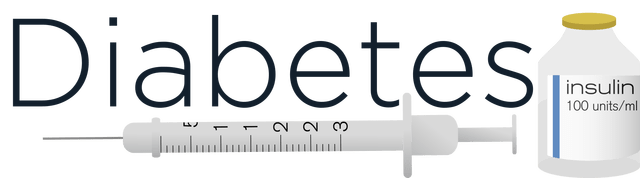
The long term effects of Diabetes are NASTY…(increased risk of heart attack and stroke, and problems with the kidneys, eyes, feet and nerves)…. and controlling my Diabetes is one of the main reasons I decided to go ahead with Bariatric Surgery – the weight loss was a convenient side effect 🙂
I had actually lost about 10Kg in weight prior to surgery (primarily because I lost my sense of taste) and I had already significantly cut down on medications before I even had the surgery… Bariatric Surgery is also known to reduce the dependency on medication to control Blood Sugar – partly because of the associated weight loss, but also because it seems to change the way the gut behaves (changes typically occur even before weight loss could be considered a contributory factor)
I have not had ANY Diabetes medication since the evening of my surgery and my blood sugar has been a very stable 6ish… although I need to keep monitoring regularly because once I start on food again (even mush) I am anticipating that this may change.