
by Me | Sep 7, 2018 | Pre-Surgery, Weight Loss Surgery Research
A Study initiated by the US Department of Veteran Affairs (
JAMA Surg. 2016 Nov 1; 151(11): 1046–1055.) was undertaken to examine the durability of weight loss for various bariatric procedures as compared with nonsurgical techniques.
 The objective of this study was to examine 10-year weight change in a large, multisite, clinical cohort of subjects who underwent Roux-en-Y gastric bypass (RYGB) compared with nonsurgical matches and the 4-year weight change in veterans who underwent RYGB, adjustable gastric banding (AGB), or sleeve gastrectomy (SG).
Differences in weight change up to 10 years after surgery were examined for 1787 subjects who underwent RYGB from January 1, 2000, and 5305 nonsurgical matches. Differences in weight change up to 4 years was also compared among subjects undergoing RYGB (n = 1785), SG (n = 379), and AGB (n = 246). Data analysis was performed from September 9, 2014, to February 12, 2016.
RESULTS
The 1787 patients undergoing RYGB had a mean (SD) age of 52.1 (8.5) years and 5305 nonsurgical matches had a mean (SD) age of 52.2 (8.4) years. Patients undergoing RYGB and nonsurgical matches had a mean body mass index of 47.7 and 47.1, respectively, and were predominantly male (1306 [73.1%] and 3911 [73.7%], respectively).
Patients undergoing RYGB lost 21% more of their baseline weight at 10 years than nonsurgical matches. A total of 405 of 564 patients undergoing RYGB (71.8%) had more than 20% estimated weight loss, and 224 of 564 (39.7%) had more than 30% estimated weight loss at 10 years compared with 134 of 1247 (10.8%) and 48 of 1247 (3.9%), respectively, of nonsurgical matches.Only 19 of 564 patients undergoing RYGB (3.4%) regained weight back to within an estimated 5% of their baseline weight by 10 years.
At 4 years, patients undergoing RYGB lost of their baseline weight, patients undergoing AGB lost 10.6%, and patients undergoing SG lost 17.8%. Patients undergoing RYGB lost 16.9% more of their baseline weight than patients undergoing AGB and 9.7% more than patients undergoing SG.
CONCLUSIONS AND RELEVANCE
Patients receiving bariatric surgery lost substantially more weight than nonsurgical matches and sustained most of this weight loss in the long term. Roux-en-Y gastric bypass induced significantly greater weight loss than SG or AGB at 4 years.
by Me | Sep 7, 2018 | Food & Diet
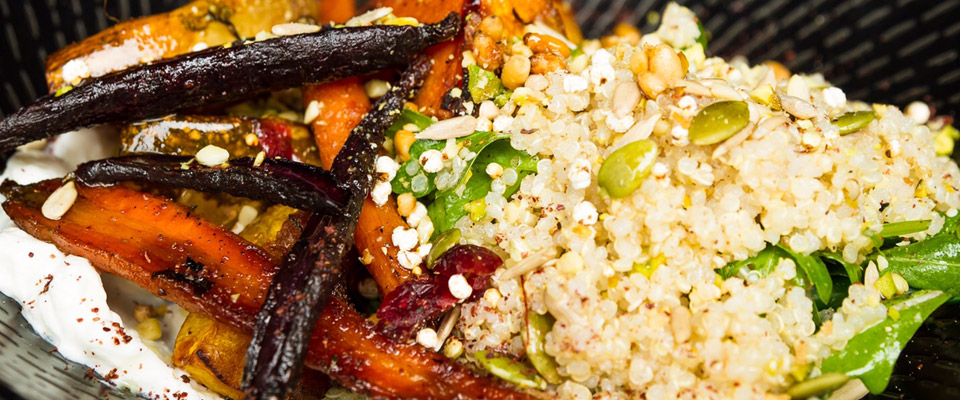
Day 2 of my Meal replacement Diet prior to surgery… and so far so good….
Except… I caught up with some old Uni mates today for “lunch” and I was all psyched to just have my OptiFAST Food Bar and water… but I forgot my food bar… I was still holding strong for a H2O only lunch but my mate decides it was his shout … So I caved in and had a
Woodfired Vegetable Salad (quinoa, cranberries, sumac, almonds, labneh), which I decided wasn’t the worst thing in the world I could have (and was actually quite tasty – considering my
Taste is only back about 60% what it should be) – Thanks Marty 🙂
Back onto water, celery and carrots, with some Soup for dinner 🙂

by Me | Sep 6, 2018 | Pre-Surgery, Weight Loss Surgery Research
Weight loss surgery can make a big difference for people with type 2 diabetes. For many people, blood sugar levels get back to normal after surgery (and for Gastric Bypass surgery, this can place before there is even any significant loss in weight). This could mean you need less medication or none at all.

Research shows improvements in type 2 diabetes after weight loss surgery. One long-term study tracking 400 people with type 2 diabetes found that six years after bariatric surgery, 62% showed no signs of diabetes. They also had better blood pressure, cholesterol, and triglyceride levels. In comparison, only 6% to 8% of people who took medicine, but didn’t have surgery, showed similar results.
by Me | Sep 6, 2018 | Food & Diet, Pre-Surgery
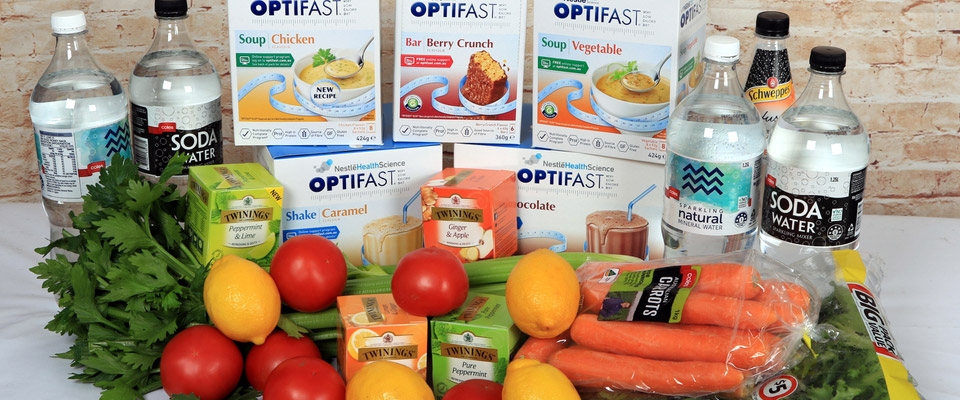
Okay… so today I start my 2 weeks pre-surgery Meal Replacement Diet… which essentially involves replacing all meals with OptiFAST Shakes/Soups/Bars with a few fruit and veges in-between – and lots of water.
I’ve been out shopping (spent $150 on OptiFAST) and the photo above shows pretty much everything I will be eating over the next 2 weeks.
- OptiFAST Chocolate/Caramel Shakes
- OptiFAST Berry Crunch Bars (No Chocolate available at the moment)
- OptiFAST Chicken/Vegetable Soups
- Some Veges – I prefer Celery, Carrots and Tomatoes (yeah I know they are really fruit)
- Some Fruit – Berries and Apples – (Not in Photo)
- Plenty of water (I can have carbonated water Before Surgery, but NOT After)… I will have Lemon Juice in it to make it more “interesting”… and I am not really supposed to have the Flavoured Mineral water but that is my secret (not so secret anymore) treat
- Tea (I don’t drink Coffee) without sugar (but I can have skim milk) – I have got a few different varieties of herbal teas to make life a little bit more interesting too.

by Me | Sep 5, 2018 | Food & Diet, Pre-Surgery
Today is the last day that I will eat “real” food for probably 2 months…. and will most likely be a turning point for a change in my food habits for the rest of my life.
Tomorrow I start 2 weeks a pre-surgery “meal replacement” diet, then after surgery I go on liquids for 2-3 weeks – followed by 2-3 weeks of “mush”… and then once I can eat solids again… the size of meals will be significantly restricted… for the rest of my life.
Despite my weight, I don’t consider my food habits particularly bad… I only occasionally had take-away… ate plenty of fruit and veges… drank plenty of water… but clearly the quantity/serving size of my meals was an issue…. That is all about to change … dramatically.